

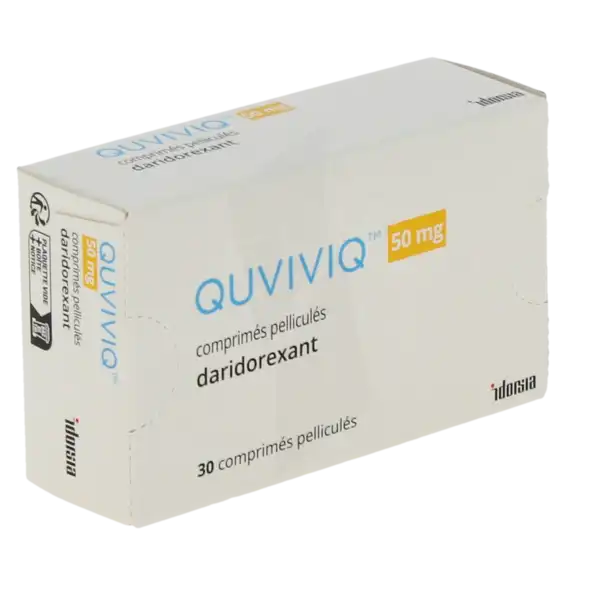
Quviviq (Daridorexant): Comprehensive Guide to Usage, Dosage, and Benefits
1. What Is Quviviq (Daridorexant)?
Quviviq, generically known as Daridorexant, is a prescription medication specifically developed to treat insomnia. Classified as a dual orexin receptor antagonist (DORA), it works by targeting and blocking the brain’s wakefulness receptors, helping individuals achieve a more restful sleep without the sedative effects associated with traditional sleep medications. By focusing on wakefulness mechanisms, Quviviq offers an innovative approach for patients who struggle with maintaining healthy sleep patterns.
2. What Is Quviviq (Daridorexant) Used For?
Quviviq is used primarily to treat chronic insomnia. This condition is marked by ongoing difficulties in falling asleep, staying asleep, or waking up too early. Chronic insomnia can impact daily functioning and mental health, so medications like Quviviq aim to improve overall sleep quality, making it easier to wake up feeling refreshed and alert.
3. How Does Quviviq (Daridorexant) Work?
Unlike traditional sleep aids, Quviviq does not induce sedation. Instead, it blocks the brain’s orexin receptors, which are responsible for regulating wakefulness. By selectively targeting these receptors, Quviviq helps the body naturally transition into sleep while also reducing night-time awakenings. This action helps regulate sleep patterns over time, offering a more balanced approach to insomnia treatment.
4. How Does Quviviq (Daridorexant) Treat Insomnia?
Quviviq works by encouraging natural sleep processes without causing the sedative “hangover” effect that many people experience with older sleep medications. Studies have shown that Quviviq helps people fall asleep more easily and improves the quality and continuity of their sleep, addressing both the quantity and quality of rest. Patients report fewer nighttime interruptions and greater alertness upon waking.
5. How Long Does Quviviq (Daridorexant) Take to Work?
Quviviq typically begins to show noticeable effects within the first week of use for many patients. However, individual results may vary depending on factors like age, overall health, and the severity of insomnia. Unlike some sleep medications that work immediately, Quviviq aims to gradually improve sleep patterns with consistent use, leading to long-term improvements in sleep quality.
6. Quviviq (Daridorexant) Dosage Directions
The recommended starting dose of Quviviq is 25 mg, taken once nightly within 30 minutes before going to bed. For some patients, a higher dose of 50 mg may be prescribed based on the doctor’s assessment. It’s essential to take Quviviq at least 7 hours before the planned wake-up time to allow for a full night’s sleep. Avoid taking more than the prescribed dose or using it with other sleep aids unless advised by a healthcare professional.
7. How to Take Quviviq (Daridorexant)?
- Timing: Take Quviviq within 30 minutes before bedtime.
- With or Without Food: Quviviq can be taken with or without food, but high-fat meals may delay its absorption.
- Special Considerations: Avoid alcohol and other sedative medications when taking Quviviq to prevent excessive drowsiness. Always follow your doctor’s guidance on safe usage.
8. Who Should Take Quviviq (Daridorexant)?
Quviviq is ideal for adults diagnosed with chronic insomnia who have not found relief with lifestyle changes or other sleep aids. However, it’s not recommended for individuals with certain conditions, including narcolepsy, severe liver impairment, or those who are pregnant or breastfeeding unless specifically prescribed by a healthcare provider.
9. Frequently Asked Questions (FAQs) About Quviviq (Daridorexant)
- Is Quviviq Safe for Long-Term Use?
Yes, Quviviq is generally considered safe for long-term use when taken as prescribed, with minimal risk of dependency compared to traditional sedatives. - Can I Take Quviviq with Other Sleep Medications?
Combining Quviviq with other sleep aids is not recommended due to potential interactions. Consult your doctor if you need additional sleep support. - What Are the Side Effects of Quviviq?
Common side effects include drowsiness, headache, and mild dizziness. These effects are typically mild and decrease over time, but report any severe reactions to your doctor. - How Does Quviviq Compare to Other Insomnia Medications?
Quviviq is unique because it targets wakefulness rather than inducing sedation, which can result in fewer morning-after effects. - Is Quviviq Covered by Insurance?
Many insurance plans cover Quviviq. Check with your provider or ask your pharmacist about co-pay options to help offset the cost.

Reviews
There are no reviews yet.