
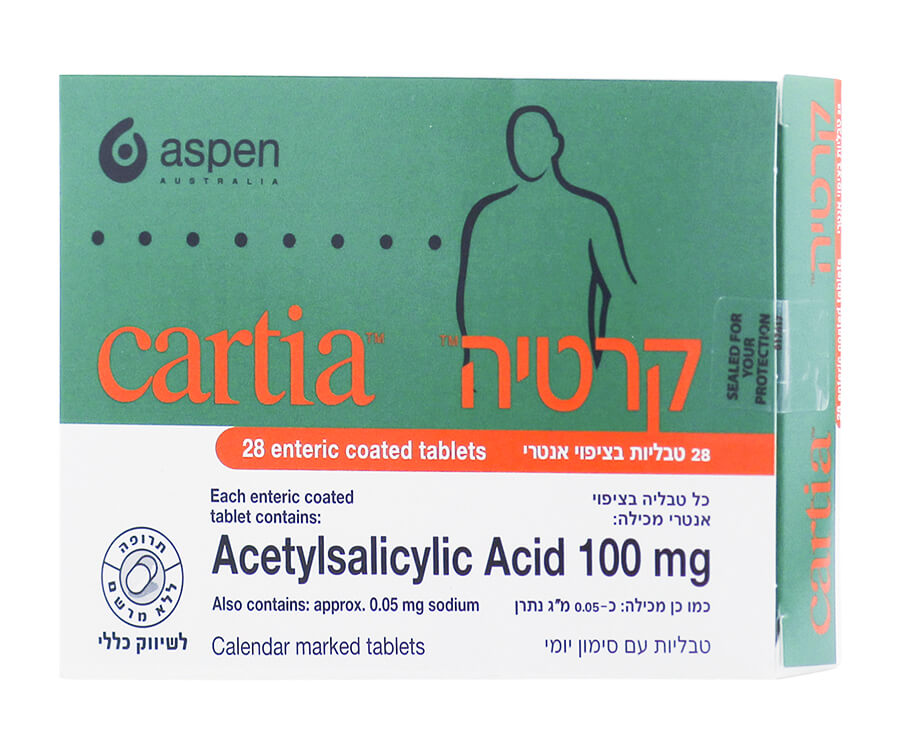
Aspirin 100mg / 300mg – Trusted Pain Relief & Heart Health Support
Product Overview
Aspirin is a widely used analgesic, anti-inflammatory, and antiplatelet medication. It helps relieve pain, reduce fever, and support long-term heart health. Low-dose aspirin (usually 81–100mg) is often used to reduce the risk of blood clots, heart attack, and stroke in adults under medical guidance.
Key Benefits
-
Relieves mild to moderate pain
-
Reduces fever and inflammation
-
Low-dose formula supports cardiovascular protection
-
Helps prevent clot formation
-
Backed by decades of clinical use
-
Affordable, reliable, and fast-acting
How Aspirin Works
Aspirin inhibits COX enzymes in the body, reducing prostaglandins that cause pain, inflammation, and fever.
Low-dose aspirin also blocks platelet aggregation to support healthy blood flow.
Mechanism Summary
-
Reduces pain signals
-
Lowers inflammatory response
-
Decreases fever
-
Prevents platelets from forming clots
Who Should Use Aspirin?
Aspirin is commonly used for:
-
Pain relief (headache, muscle pain, injury)
-
Fever reduction
-
Long-term prevention of heart attack or stroke (under medical advice)
-
Post-surgery or post-cardiac event clot protection
Usage Instructions
-
Swallow tablets with water
-
Take with food to reduce stomach irritation
-
Follow dosing instructions on the label or from your doctor
-
Heart health doses: typically 75–100mg daily
-
Pain relief doses: higher ranges depending on formulation
Active Ingredient
-
Acetylsalicylic Acid (Aspirin)
Common strengths: 75mg, 81mg, 100mg, 300mg tablets.
Possible Side Effects
Common:
-
Stomach irritation
-
Mild bleeding (gums, nose)
-
Heartburn
Serious (seek help):
-
Black stools
-
Vomiting blood
-
Heavy or unexplained bleeding
-
Severe stomach pain
Why Buy From Us?
-
Trusted suppliers only
-
Fast global shipping in discreet packaging
-
Fair pricing
-
Simple checkout and dependable customer service
Frequently Asked Questions (FAQs)
Q1: Can I take aspirin daily for heart health?
A1: Only if a doctor has recommended it. Aspirin affects clotting.
Q2: Can I drink alcohol while using aspirin?
A2: Light drinking may be fine, but mixing heavy alcohol with aspirin increases bleeding risk.
Q3: Is aspirin safe for long-term use?
A3: Yes, under medical supervision.
Q4: Can children take aspirin?
A4: No — risk of Reye’s syndrome.
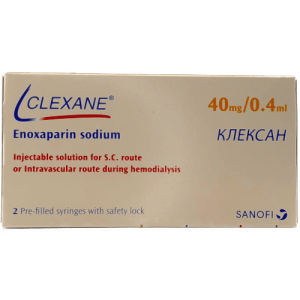
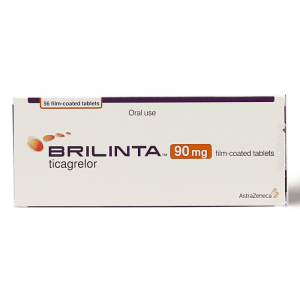
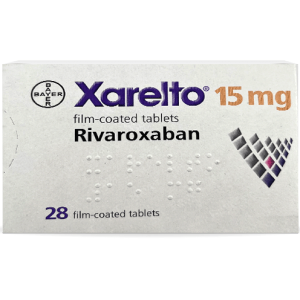
Q5: Can aspirin be taken with other blood thinners?
A5: Only with a doctor’s approval.
Reviews
There are no reviews yet.